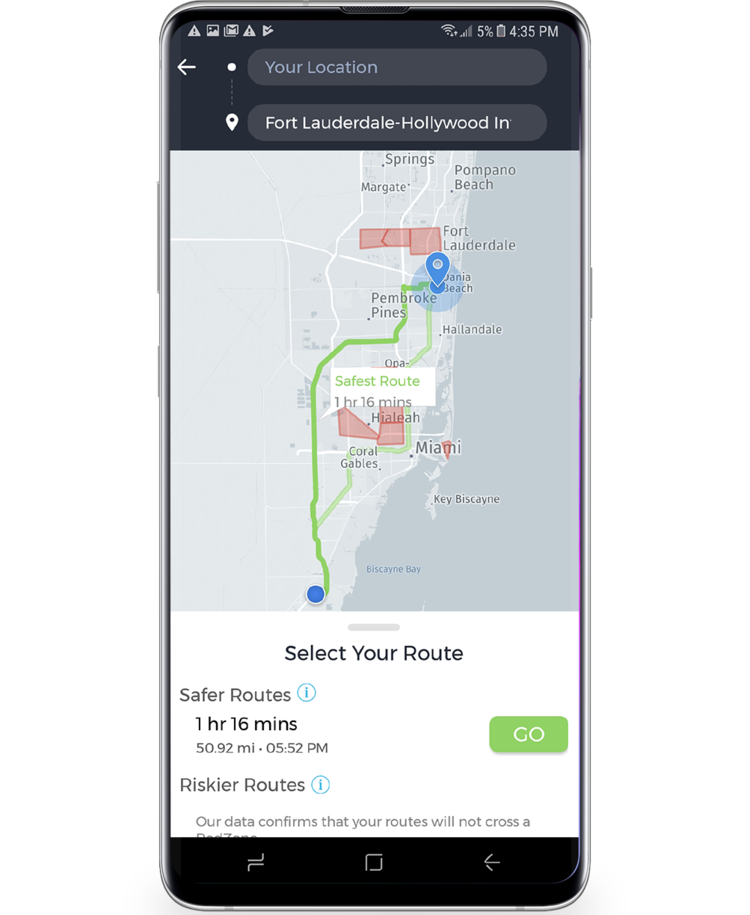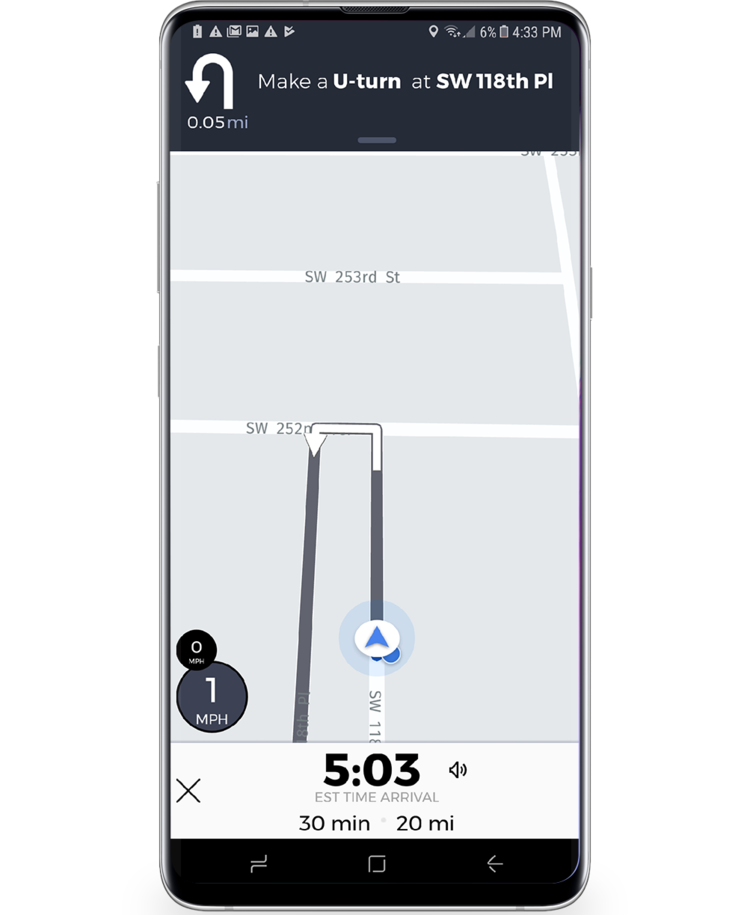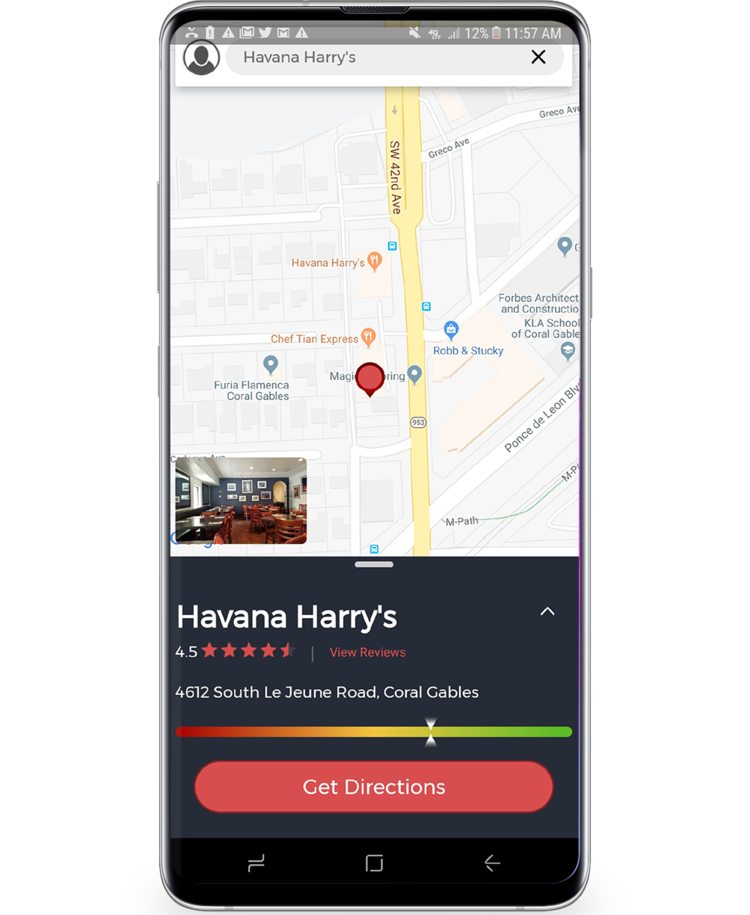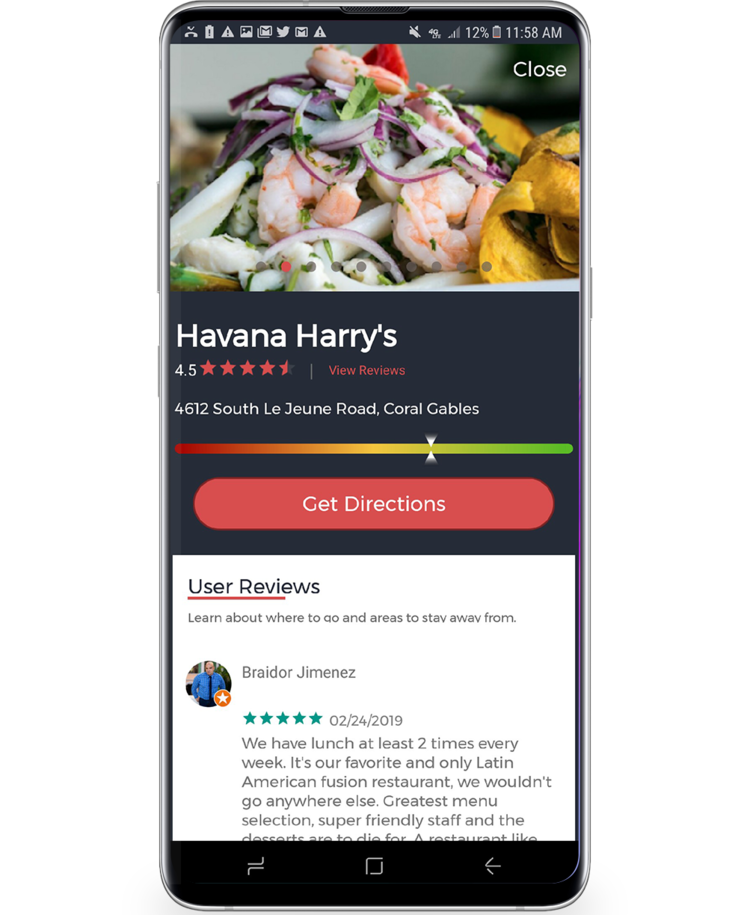
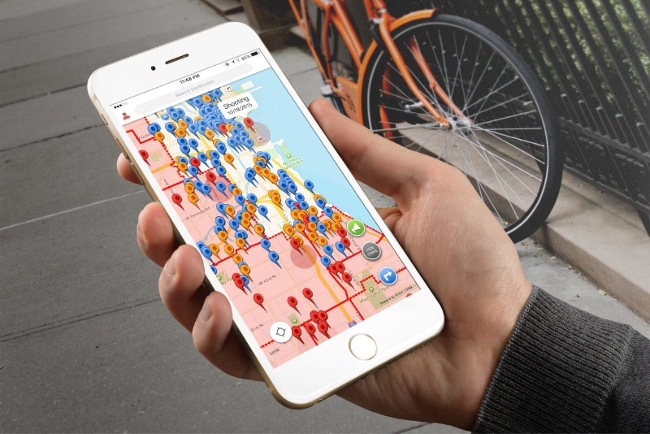
RedZone Map was a consumer mobile product built under Helios & Matheson. It was both a navigation app and a neighborhood intelligence platform, giving users real-time data about the areas they were moving through. As Head of Product and UX, I led the product and design function from the ground up, building the team, defining the strategy, and shipping at startup speed.
Later in my tenure I also contributed to MoviePass, one of the most talked-about consumer subscription products of its era. But RedZone Map was where I built the foundation: the team, the process, and the product discipline that carried through everything that followed.
Explosive growth. Relentless pressure. Zero margin for error.
RedZone Map was a new product in a competitive consumer mapping space. The challenge was building something meaningful, fast, with a small team, limited resources, and high expectations from the business. Later, those same pressures intensified further when the organization's focus shifted to MoviePass.
- Initial MVP of RedZone was non-functional and was not built for scale
- Releases took 3 to 6 months — too long for a startup moving at this pace
- Regression issues were recurring and slowing down delivery
- The experience was disjointed across screens and user flows
- Offshore development teams were dysfunctional and misaligned with product goals
- Product and design team needed to scale immediately
- Multiple simultaneous product initiatives with competing priorities
Culture first. Right team. Weekly delivery.
The first thing I focused on was creating a culture of innovation, execution, and excellence. That culture had to be built intentionally, not assumed. I needed to hire the right people and build a team I could go to combat with, no matter what was thrown our way.
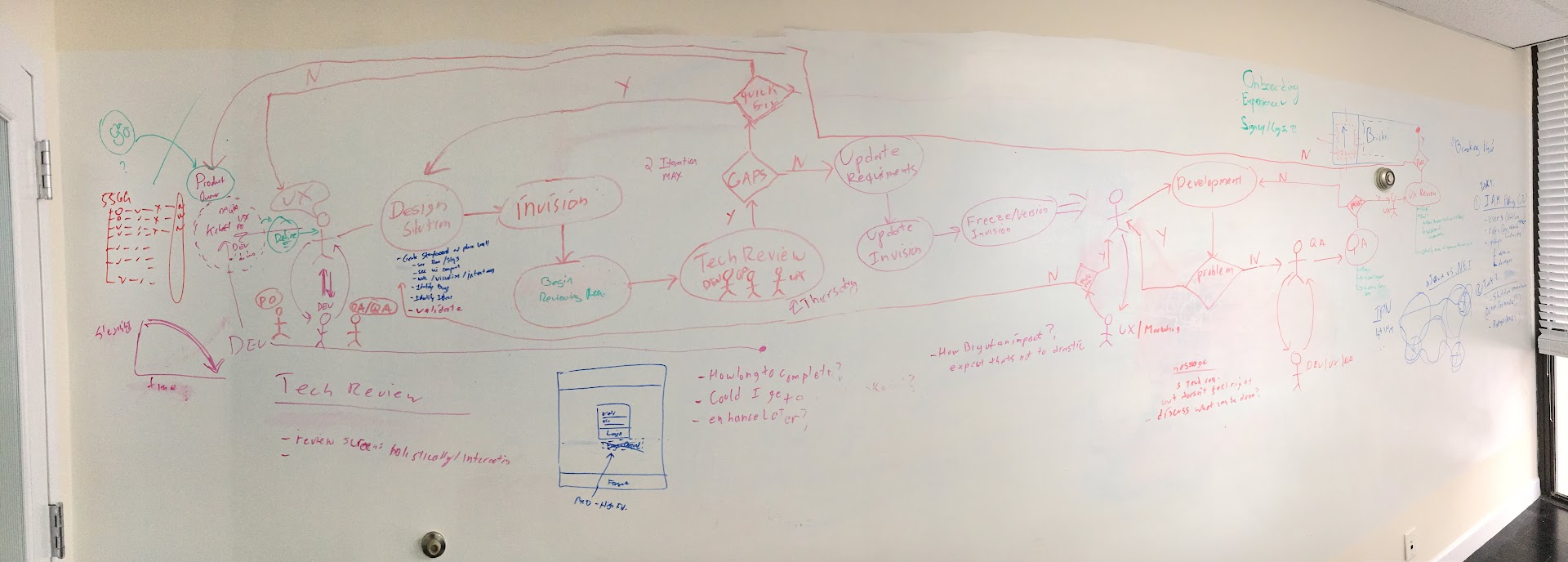
Once the team foundation was in place, we turned our attention to delivery. Releases were taking 3 to 6 months, which was unsustainable for a startup moving at this pace. We restructured how we worked and got to weekly releases, dramatically shortening the feedback loop and giving us the ability to respond to real-world use in near real time.
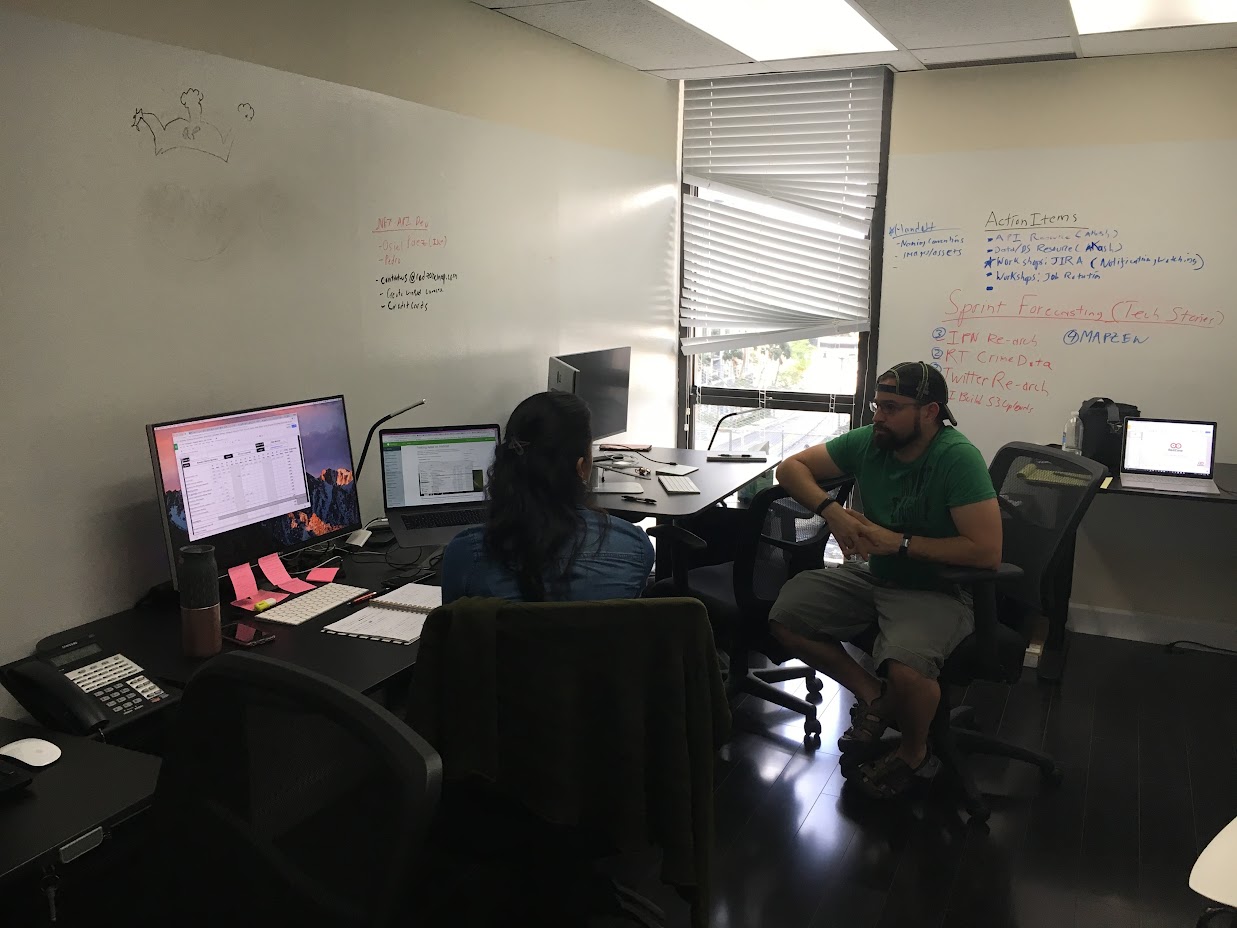
A well-oiled team, firing on all cylinders.
I was brought in to fix the user experience and get the team to start delivering. By focusing on culture, execution, and excellence, fighting hard to hire the right people, and better integrating offshore teams into our group's culture and ways of working, we built something worth being proud of.
We designed a delivery process that took us from 3 to 6 month release cycles down to weekly releases. The result was a team that could fix core issues, unblock technical bottlenecks, respond to market shifts quickly, and sustain momentum. At peak, we grew to 140,000 monthly active users and fostered an internal innovation lab that supported other Helios and Matheson initiatives, including MoviePass.
After getting the team operational and resolving the foundational issues, we pivoted and went through a significant product enhancement. Rather than focusing solely on crime spot awareness, we shifted toward serving the traveler. We could now notify users, based on their navigation exit point and the location they were entering, whether that area was safe or not. A real-time, contextual safety layer built into the navigation experience. A revolutionary breakthrough at the time.
at peak
achieved